
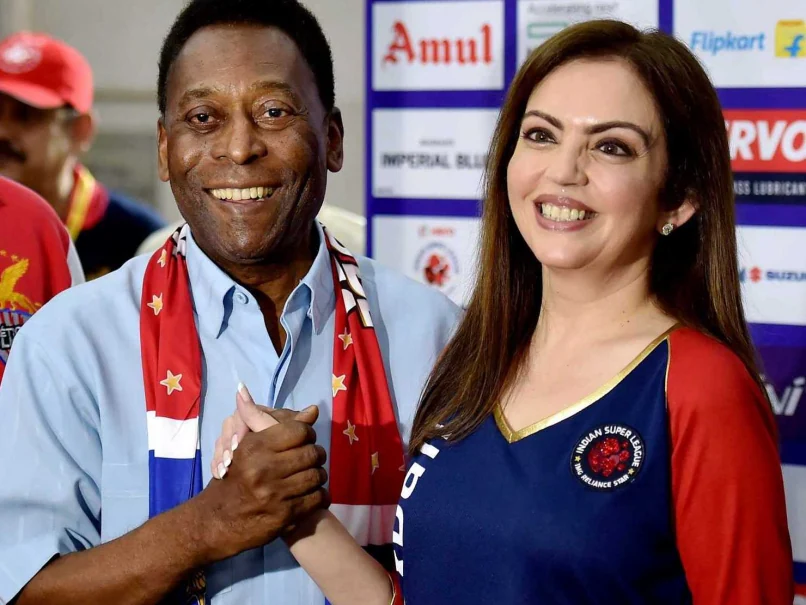
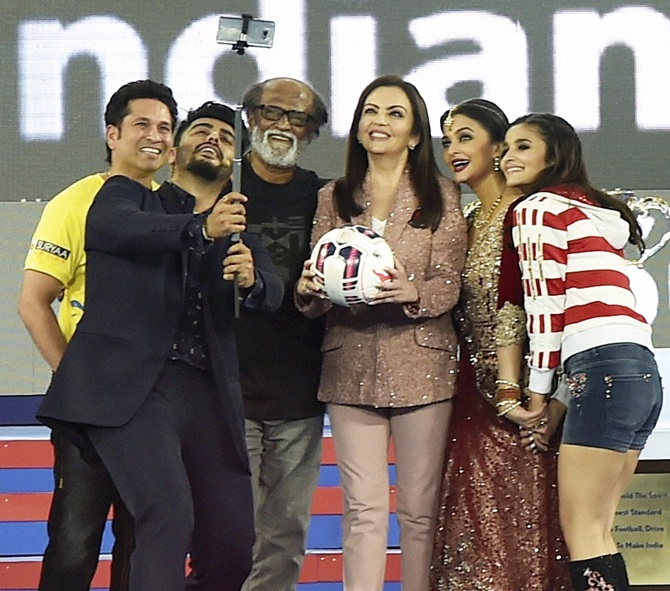
In 2014, the Indian Super League (ISL) burst onto the scene with glamour, corporate backing, and bold promises — to professionalize Indian football and bring it to the global stage. A decade later, the truth is hard to deny: while the ISL made the game look better, it hasn’t made India play better.
Despite celebrity owners, international coaches, and better broadcast quality, the Indian national team still struggles, clubs remain financially unstable, and grassroots football has been left gasping for breath. Let’s look at what really went wrong — and how we can fix it before another decade is wasted.
Contrary to nostalgia, India’s footballing results have hovered at roughly the same level for decades.
- FIFA rankings (1980s–early 2000s): Between 110–160
- Major tournament presence: Sparse — one Asian Games medal (1970), rare SAFF domination
- Tactical evolution: Some improvement under coaches like Bob Houghton (2006–2011), but no real structure
What did improve briefly was the style of play from 2000 to 2010 — more structured formations, better game reading, and decent performances under foreign coaches like Stephen Constantine and Houghton. But there was no long-term pipeline to carry that momentum forward. That’s where the AIFF–FSDL deal could’ve helped. Instead, it chose TV ratings over transformation.
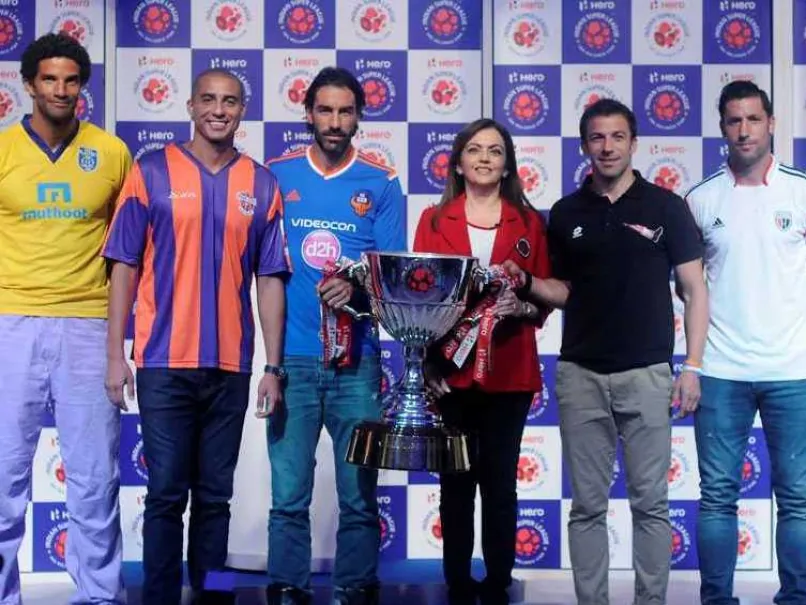
When ISL launched in 2014, it brought:
- Short, 5-month tournament formats
- Closed teams (no promotion/relegation)
- Celebrity owners and Bollywood influence
- Big sponsors, big promises — but no foundation
What it didn’t bring:
- A pyramid system for talent to rise
- Youth leagues tied to each ISL club
- Linkages with state leagues or Santosh Trophy
- Long-term investment in coaching or regional scouting
FSDL essentially rebranded the sport, but did not restructure it.
The current push by AIFF to bring Overseas Citizens of India (OCI) into the national team feels less like a reform — and more like a cop-out.
Let’s be honest:
- Most YouTubers, bloggers, and influencers pushing the OCI agenda have never played professional football.
- Their obsession is shaped by European leagues, FIFA ratings, and PlayStation career modes — not ground realities.
- The idea that a few foreign-born Indians will suddenly make India World Cup-ready is wishful thinking at best, and a distraction from systemic failure at worst.
Even recent proposals like reducing the number of foreigners in ISL playing XIs won’t fix anything.
The entire ISL structure is flawed:
- No promotion/relegation = no accountability
- No connection to local clubs = no pipeline
- TV-based funding model = no incentive to invest in players
The solution?
Scrap the ISL as it exists. Let AIFF — or if they can’t, the Government — reclaim control and return to a merit-based league ecosystem.
Here’s a real roadmap — one built on competition, development, and accountability:
1. Promotion and Relegation at All Levels
Reinstate a true league pyramid. Every club must earn its place. Let players and coaches rise on merit.
2. Mandatory Youth Leagues for All I-League & Top-Tier Clubs
No youth team = no license. Simple. Make participation in U-13, U-15, and U-18 leagues non-negotiable.
3. Revamp Indian Sports-Education Integration
Right now, sports and academics in India don’t mix. Athletes lose education. Students can’t train.
We need:
- Flexible school hours for athletes
- Sports credits integrated into national curriculum
- Residential sports-academic programs in every state
4. Improved Nutrition from the Grassroots Up
Our athletes often start with malnutrition, not muscle.
Government programs must include:
- Early access to protein-rich school meals
- Community nutrition education for sports families
- Partnerships with private health startups for rural athletes
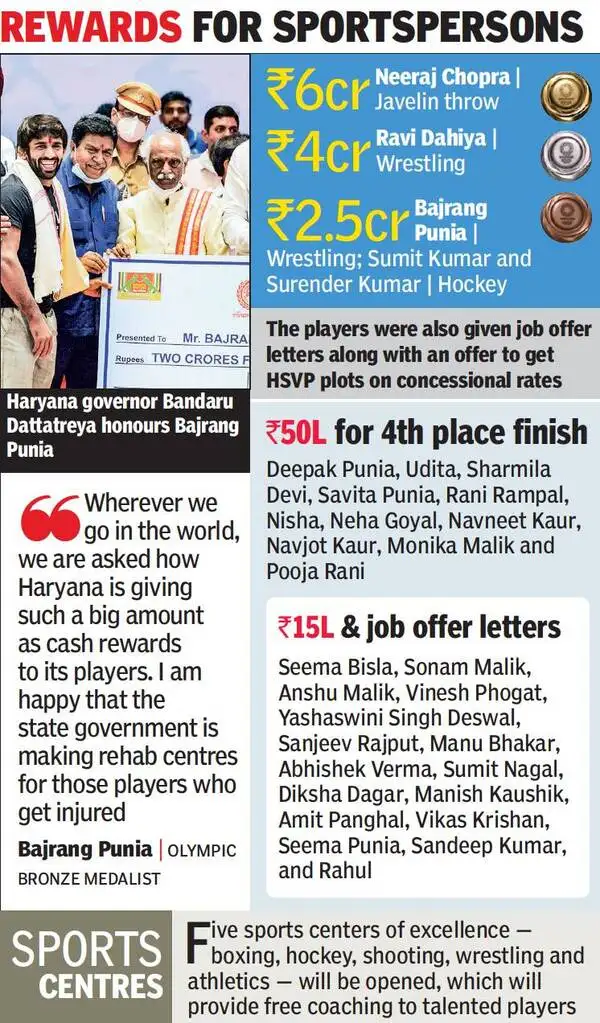
5. No More Over-Incentivizing International Medalists
Right now, we reward players with crores and government posts after they win. But what happens then?
- Many disappear from the sport
- Some enter politics or administration with no accountability
- The next generation is left behind
We need:
- Performance-based pay
- Annual audits for sports performance
- Post-retirement roles only based on contribution, not status
The AIFF–FSDL partnership was a marriage of convenience, not conviction. It wasn’t built to grow football — it was built to sell it. Unless we end that marriage and return football to its rightful custodians — the players, coaches, schools, and local clubs — India will remain a side story in world football. Not because we lack talent. But because we outsourced responsibility.