

India’s Olympic Ambition: Time for a Strategic Shift
Despite being the world’s most populous nation and the fifth-largest economy, India still languishes near the bottom of Olympic medal tables. At the 2020 Tokyo Olympics, India secured just 7 medals (1 gold, 2 silver, 4 bronze), ranking 48th globally. In contrast, countries with smaller populations like the Netherlands (36 medals) or South Korea (20 medals) consistently outperform India.
In the 2023 Asian Games, India achieved its best-ever tally: 107 medals (28 golds). Yet, the overall rank was 4th, behind China, Japan, and South Korea.
What does this tell us? India’s performance is improving, but the strategy remains fragmented. To rise rapidly, India must prioritize sports that offer the most medal opportunities: Swimming, Athletics (Track & Field), Gymnastics, and Cycling — the “medal mines” of the Olympic Games.
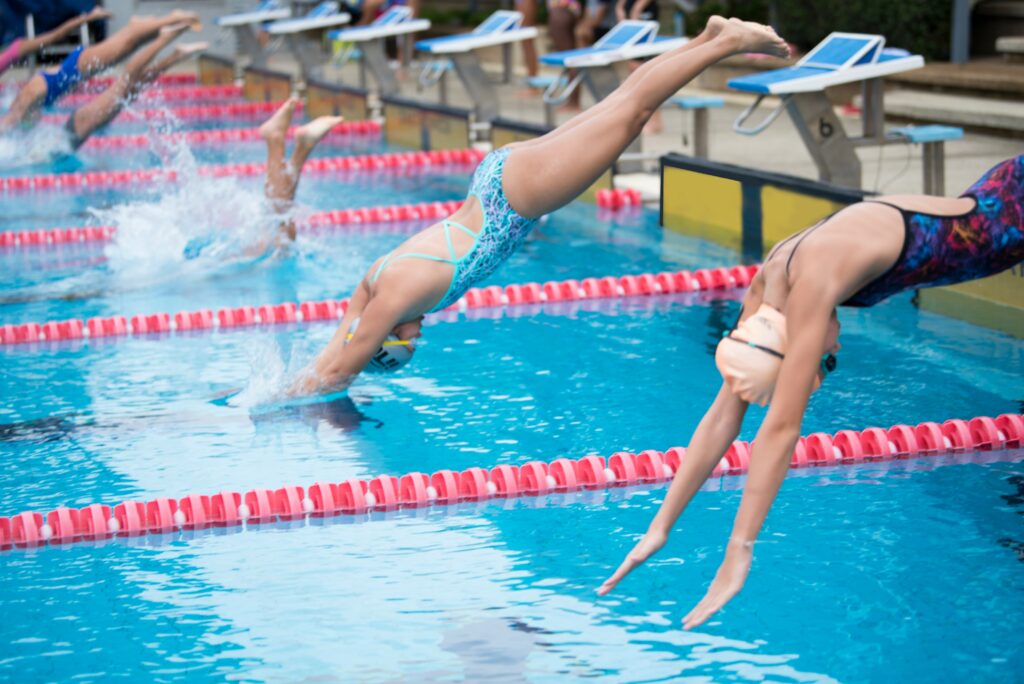
Data Doesn’t Lie: Medal Distribution in Olympics
| Sport | No. of Events | Total Medals (Gold/Silver/Bronze) |
|---|---|---|
| Athletics | 48 | 144 |
| Swimming | 37 | 111 |
| Gymnastics | 18 | 54 |
| Shooting | 15 | 45 |
| Cycling (Track) | 22 | 66 |
| Wrestling | 18 | 54 |
| Boxing | 13 | 39 |
| Badminton | 5 | 15 |
| Weightlifting | 14 | 42 |
| Archery | 5 | 15 |
Compare this to:
- Cricket: 1 event (added only in 2028)
- Kabaddi: Not an Olympic sport
India continues to invest emotionally and financially in non-Olympic or single-medal events while neglecting multi-medal disciplines that define Olympic rankings.
Roadblocks to Medal Dominance
1. Infrastructure Deficit
- India has only 7 Olympic-sized public swimming pools in the entire country.
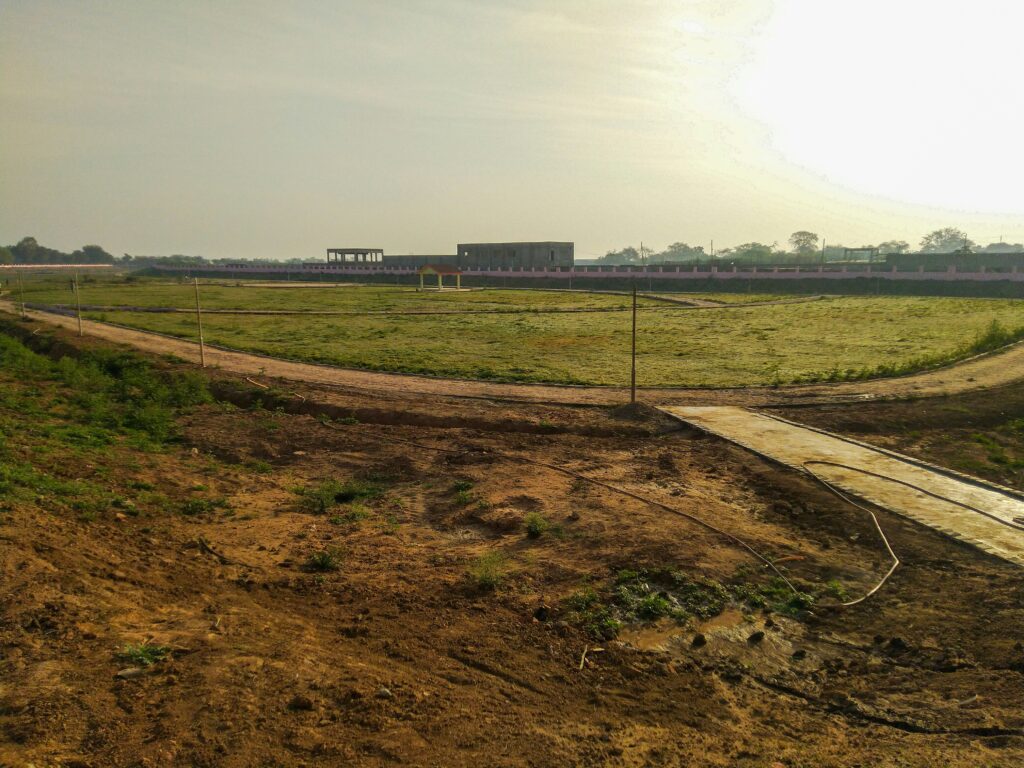
- Athletic tracks are often broken, outdated, or inaccessible.
- Velodromes for cycling exist in just 2 cities (Delhi & Kerala).
2. Talent Drain & Late Identification
- Most elite athletes are discovered after age 14, too late by global standards.
- Grassroots scouting systems are underfunded or absent in rural belts.
3. Lack of Coaching Depth
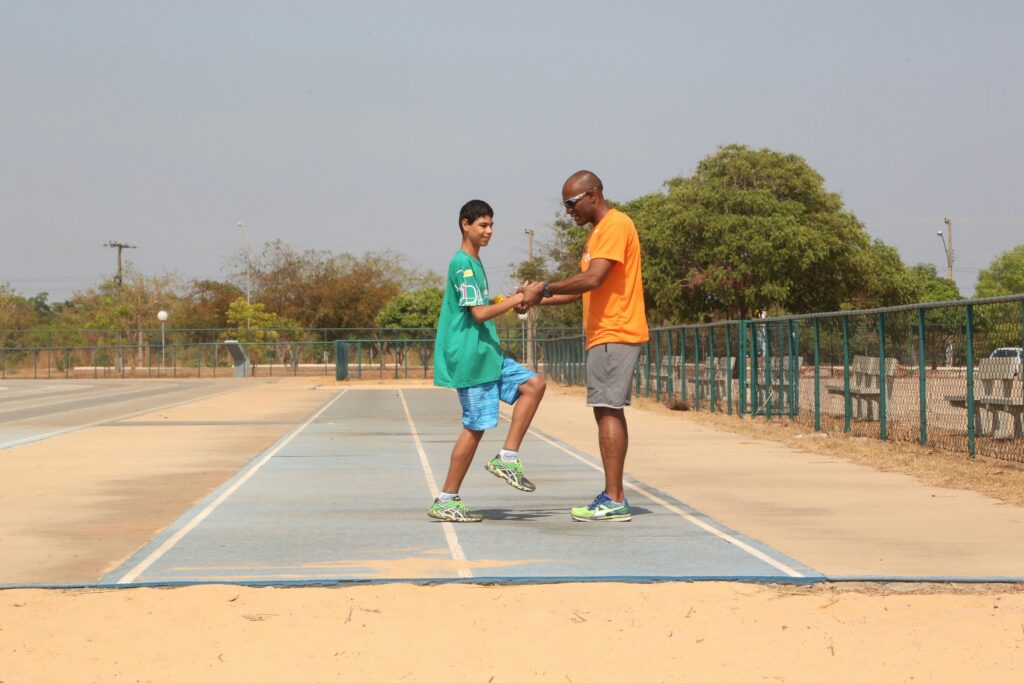
- India has a shortage of certified international-level coaches in sports science, biomechanics, nutrition, and sport psychology.
- Most coaching in athletics or swimming is based on outdated techniques.
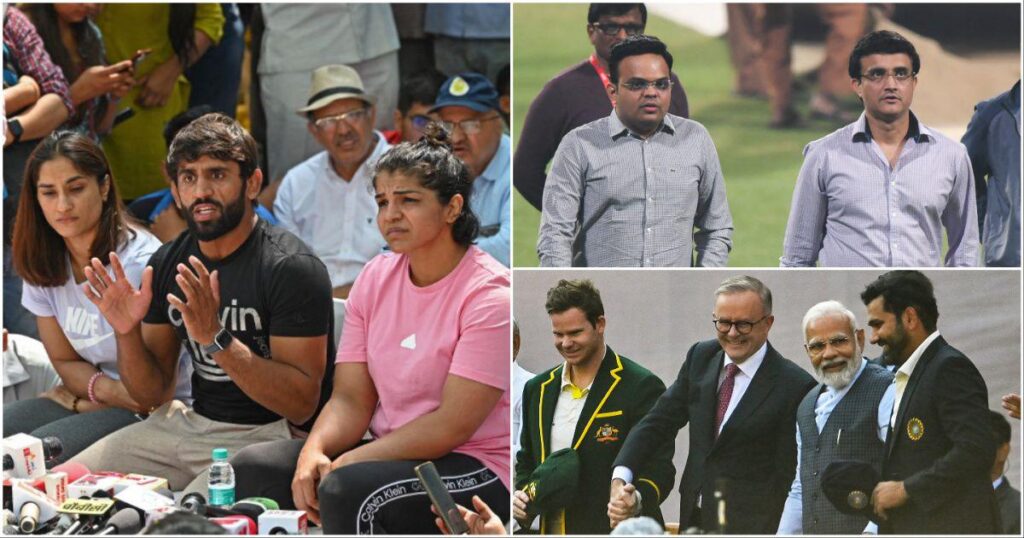
4. Institutional Bias
- Dominance of cricket and other commercial sports in school and media circuits
- States with strong performance (Haryana, Manipur, Kerala) receive uneven central support.
5. Gender Disparity
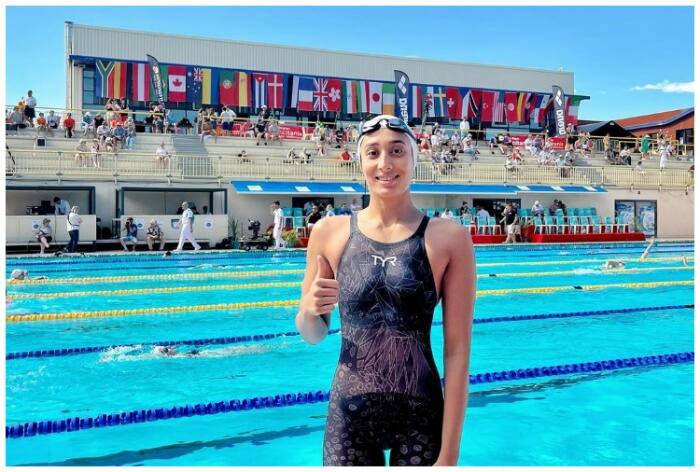
- Female participation in swimming and track events still faces cultural and logistical hurdles.
Why India Has Huge Untapped Potential
A. Genetic & Physical Diversity
- India’s diverse gene pool can support multiple sports types:
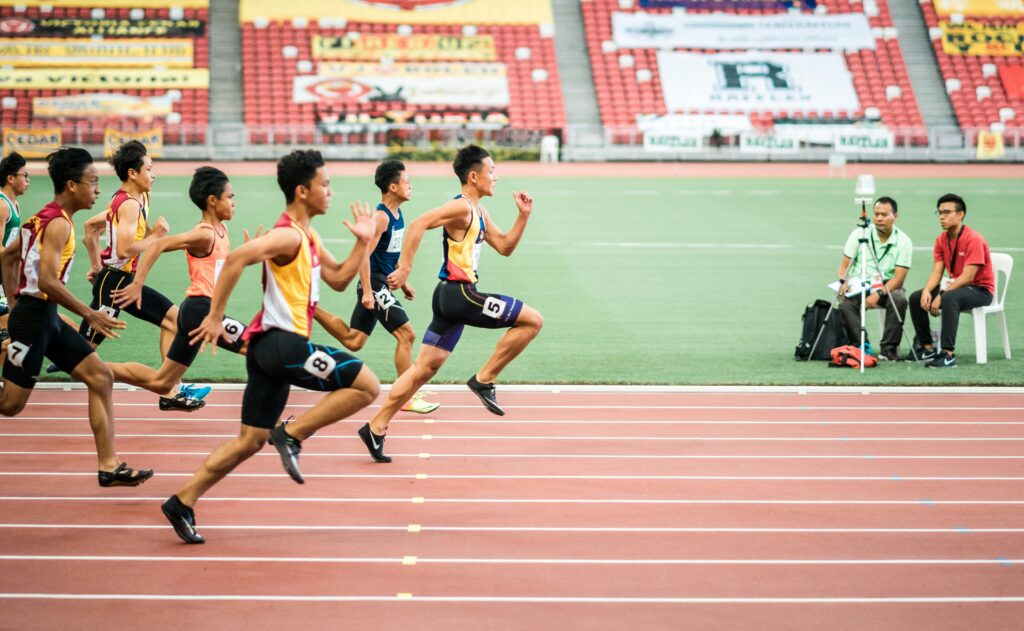
- Northeast Indians: Agile, fast-twitch dominance, ideal for sprinting, boxing
- North Indians: Strong builds, ideal for wrestling, javelin, shot put
- South Indians: Excellent for endurance events
B. Climate Advantage
- Year-round training possible in most regions due to moderate winters.
- Hill states like Himachal, Uttarakhand, and the Northeast offer altitude training advantages similar to Kenya/Ethiopia.
C. Youth Demographic
- Over 50% of Indians are under age 25.
- The talent base is unmatched globally. All that is needed is a system that catches them early and trains them right.
India’s Missed Opportunities: Event-Wise Underperformance
- Swimming: Despite being the second-largest medal sport, India has never won an Olympic medal. Countries like Tunisia (population 12M) have Olympic swimming champions.
- Athletics: Neeraj Chopra’s javelin gold in 2020 is the exception. India has yet to make a dent in sprints, long-distance, or relay events.
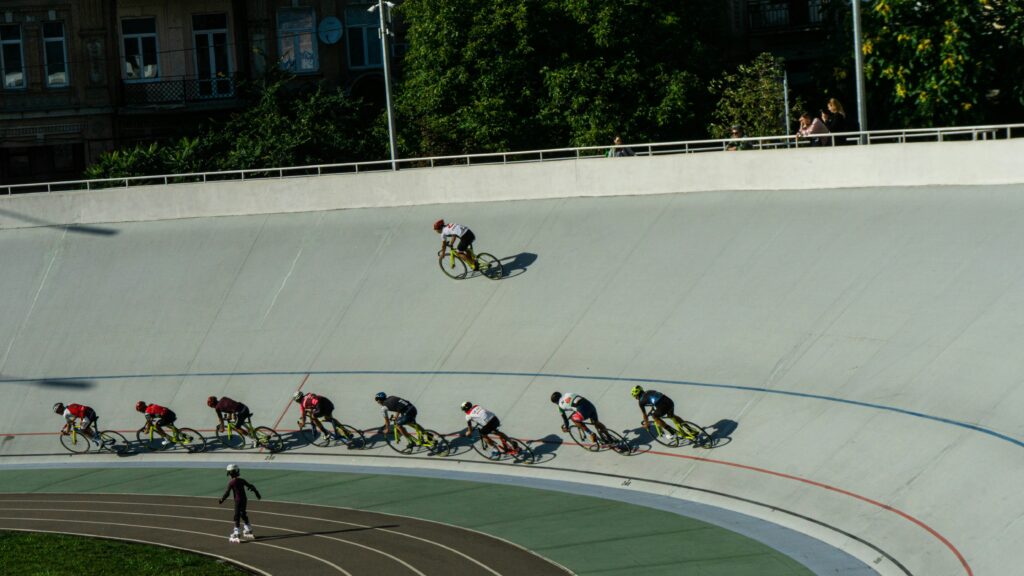
- Cycling: A total medal washout. No system of talent farming or velodrome training beyond metro cities.
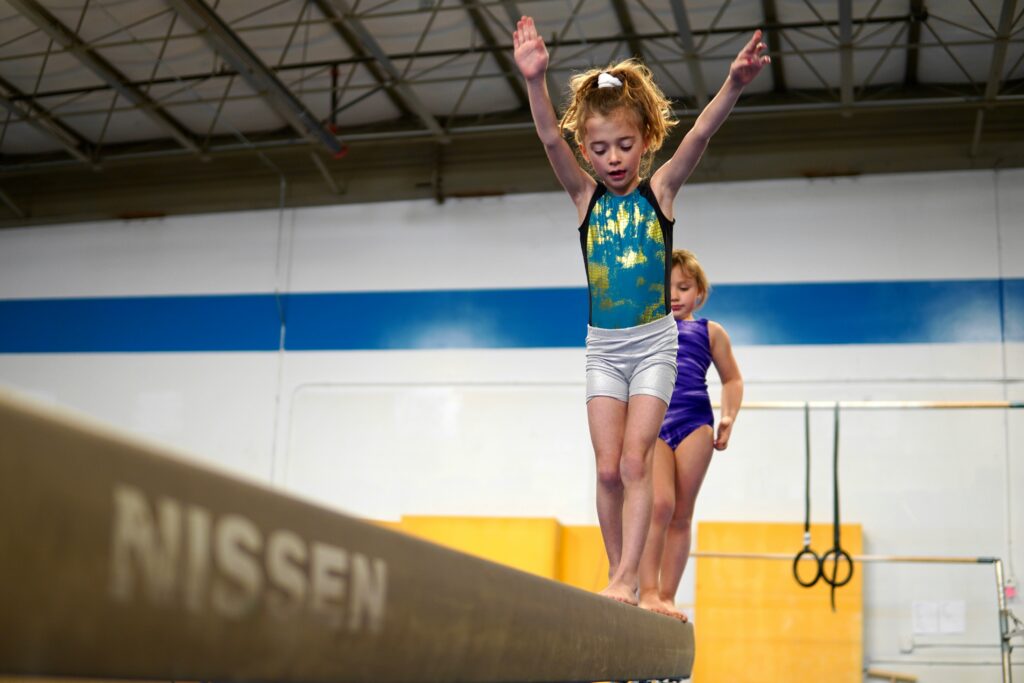
- Gymnastics: Dipa Karmakar’s vault was promising, but lack of follow-up investment halted momentum.
The Way Forward: 10 Bold Steps
- Declare Medal-Rich Sports as Priority Sectors
- Special funds and fast-track support for Swimming, Track & Field, and Gymnastics
- National Talent Hunt by Age 10
- GPS-mapped data-driven scouting from villages, schools, Khelo India schemes
- Invest in Infrastructure
- 1 Olympic pool per district
- Upgrade every state capital with an athletics + velodrome hub
- Import & Train 500 Elite Coaches
- Partnerships with countries like Australia (Swimming), USA (Athletics), China (Gymnastics)
- Athlete Nutrition & Stipend Schemes
- Monthly support for 10,000 young athletes across medal-rich sports
- High Altitude Training Bases
- Set up year-round camps in Himachal, Sikkim, and Mizoram
- Public School Sports Mandate
- 1 hour daily of structured sport + data monitoring
- Women Athlete Inclusion Drive
- 50% funding reserved for female participants
- Private Sponsorship Index
- Tax benefits to brands sponsoring underrepresented Olympic sports
- Real-Time Performance Dashboard
- AI-driven monitoring of athletes’ development and readiness for international tournaments
Policy Suggestions: Creating a Sports-First Nation
- Government policy should allow corporates to use more funds in sports through Corporate Social Responsibility (CSR). Specific tax exemptions or rebates — like those for donations to orphanages or old-age homes — must be extended to investments in Olympic sports.
- A balanced education system is crucial — one that allows science, humanities, and sports to co-exist. Currently, academic pressure sidelines sport, creating a forced choice between career and passion.
- India should introduce a National Diet System for children up to age 12, focusing on affordable and school-integrated nutrition programs. Presently, proper diet is a luxury only wealthier families can afford.
- Create value-added skill pathways for athletes who don’t reach elite levels. From sports analytics and physiotherapy to PE teaching and coaching — India must move from a degree-based to skill-based job ecosystem, where experience in sports counts in employment.
Final Verdict
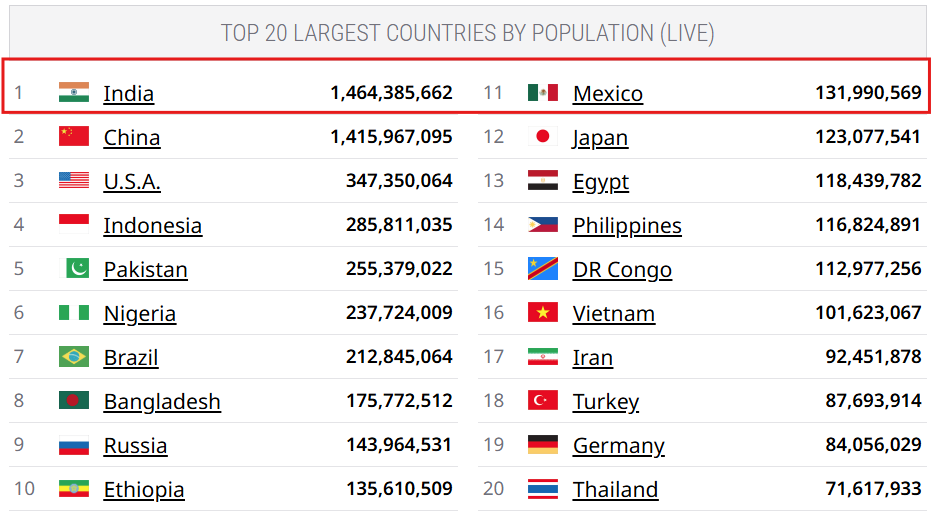
India stands at a crossroads in its sporting journey. With over 1.4 billion people, our country boasts the largest youth population in the world, a diverse genetic base ideal for a wide array of sports, and a cultural legacy rich in endurance, strength, and discipline. Yet our presence on the Olympic and Asian Games podiums remains modest. The problem isn’t the absence of talent — it’s the absence of a unified national strategy.
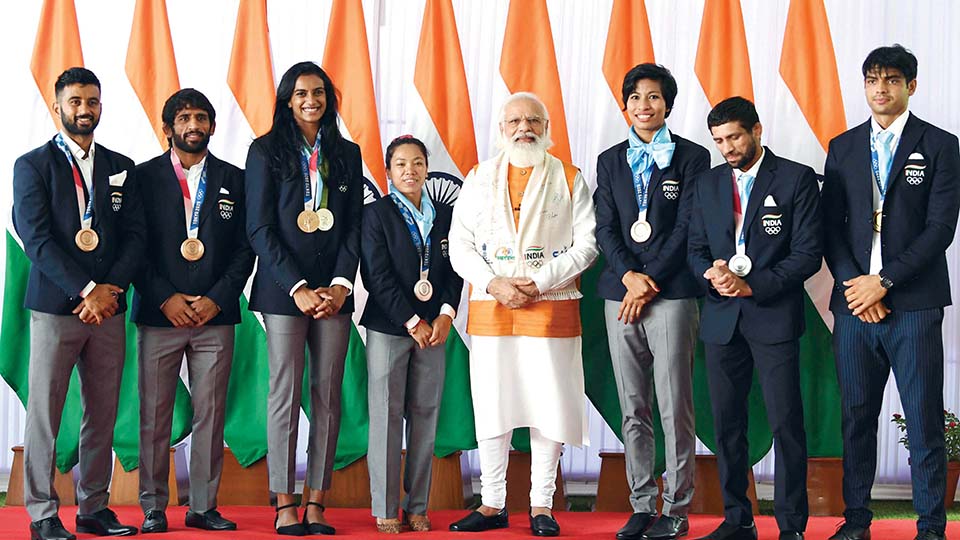
We continue to celebrate lone medallists like Neeraj Chopra or Mirabai Chanu, but true transformation demands systems — not surprises. If India is to rise as a global sporting power, we must stop romanticizing the underdog story and start building a sporting ecosystem where excellence is expected, not accidental.
This transformation is not just about medals — it’s about national confidence, youth empowerment, health outcomes, and global image. Investing in medal-rich sports is not a luxury; it is a strategic necessity. Countries like China, Japan, and South Korea didn’t rise overnight — they built long-term structures that integrated sports into education, healthcare, policy, and even diplomacy.
We must incentivize corporate investment, overhaul grassroots infrastructure, mainstream sports into education, and prioritize nutrition and psychology from childhood. At the same time, we must recognize that not every athlete will make it to the Olympics — and ensure that sports participation translates into jobs, skills, and dignity for all.
So the question is no longer: “Can India really become a sporting superpower?”
The real question is:
“Do we have the political courage, societal will, and visionary leadership to make it happen?”
If the answer is yes, then a decade from now, India will not just participate at the Olympics — we’ll dominate.
A dream backed by policy, infrastructure, and intent becomes a roadmap.
And a roadmap backed by execution becomes a revolution.
Author’s Note:
This article reflects two decades of grassroots sports coverage, analysis, and field reporting across India. It draws on government data, national sports policy documents, coach interviews, and real-time medal tracking from Olympic & Asian Games performances. The intent is not just to critique, but to propose a roadmap for India’s future in global sports.